




Inflatable rooftop tents are one of the fastest-growing categories in the outdoor market, and for distributors, retailers, and brands, that means real opportunity. But the difference between a profitable, low-return product line and a warranty nightmare comes down to one thing: choosing the right manufacturer. This guide walks through exactly how to vet an inflatable rooftop tent supplier before you place an order.

Why Manufacturer Selection Matters So Much
An inflatable rooftop tent is an engineered product. Air-beam sealing, valve reliability, fabric waterproofing, and stitching quality all directly affect returns, reviews, and your brand reputation. A cheap unit that leaks air or fails in wind will cost you far more in refunds and lost trust than you saved at purchase. Vetting your supplier properly is the highest-leverage decision you’ll make.
The 7-Point Manufacturer Checklist
1. Real Manufacturing Capability (Not Just Trading)
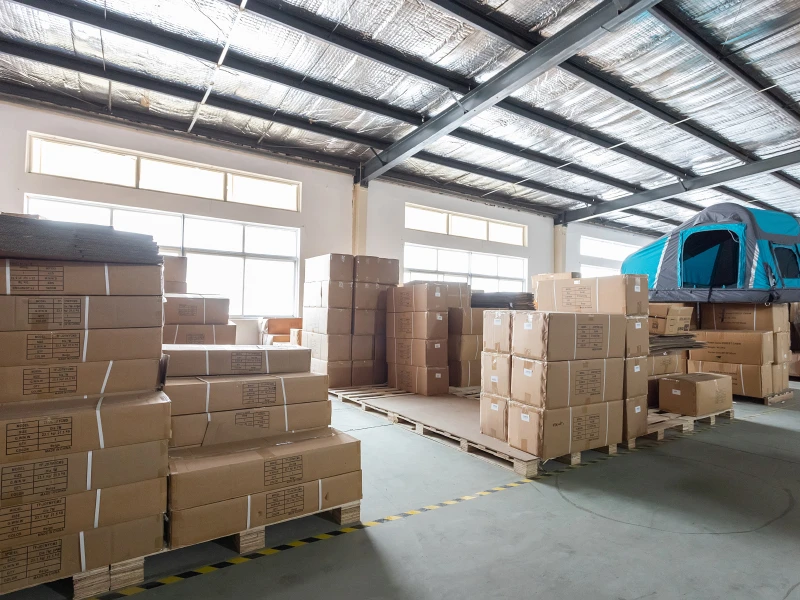
Confirm you’re dealing with an actual factory, not a trading company reselling other people’s products. A real manufacturer controls quality, pricing, lead times, and customization. Ask for factory details, production capacity, and — ideally — a video or in-person audit.
2. R&D Strength and Patents
Air-beam technology lives or dies on engineering. A manufacturer with genuine R&D and patents (for example, a patented unified low-pressure air-beam system) will deliver better sealing, durability, and performance than a copycat. Patents also protect you from IP disputes down the line.
3. Quality Control Systems
Ask about their QC process: incoming material inspection, in-line checks, air-retention/pressure testing, waterproof testing, and final inspection before shipping. Request relevant certifications and, if possible, third-party test reports. A supplier that has passed audits from major brands (such as large sporting-goods retailers) has proven its systems.
4. MOQ Flexibility
Your minimum order quantity should match your business stage. Established factories can often offer reasonable MOQs and scale with you. Be cautious of suppliers demanding huge MOQs with no flexibility, especially for a first order.
5. OEM / ODM Capability
If you’re building a brand, you need customization: your logo, colors, packaging, and possibly design tweaks (OEM), or help developing a differentiated product (ODM). Confirm exactly what the manufacturer can customize and what the tooling or setup costs are.
6. Export and Logistics Experience
A supplier that already exports to many countries understands packaging for transit, documentation, and shipping timelines. Ask which markets they serve, their typical lead times, and how they handle freight and customs paperwork.
7. After-Sales Support and Spares
Even great products occasionally need support. Confirm the warranty terms, availability of spare parts (valves, patch kits, replacement components), and how responsive the supplier is to issues. Reliable after-sales support protects your customer relationships.
Red Flags to Avoid
- No factory address or audit access.Likely a trader, not a manufacturer.
- Prices far below market.Usually means cut corners on materials or QC.
- No patents or vague technical answersabout beam pressure, materials, or testing.
- Unwilling to provide samplesbefore a bulk order.
- No written warranty or spare-parts plan.
A Simple Sourcing Workflow
- Shortlist 3–5 manufacturers and confirm each is a real factory.
- Request specs, certifications, and patent information.
- Order samples and test them: setup time, air retention overnight, waterproofing, and wind stability.
- Compare MOQ, pricing, lead times, and OEM/ODM terms.
- Verify export experience and after-sales support.
- Place a trial order before committing to large volumes.
Why PlayDo Outdoor Fits the Checklist
[PlayDo Outdoor](https://www.playdooutdoor.com/) is a specialized rooftop tent manufacturer that meets each of these criteria:
- Own factorywith 11+ years of manufacturing experience.
- 100+ patents, including a patented unified low-pressure air-beam system.
- Proven QC, having passed audits from major global retailers.
- OEM/ODM supportfor logos, packaging, colors, and product development.
- Exports to 120+ countries, with the logistics experience to match.
- Flexible partnershipfor both established brands and growing distributors.
Explore the [inflatable rooftop tent range](https://www.playdooutdoor.com/product-category/rooftop-tent/) or [contact the team](https://www.playdooutdoor.com/) to discuss samples and OEM/ODM options.
Frequently Asked Questions
Q: How do I verify an inflatable rooftop tent manufacturer is legitimate?
Confirm they own a real factory (not a trading company), ask for production capacity, certifications, and patents, request samples, and — if possible — arrange a factory audit or video tour.
Q: What MOQ should I expect for inflatable rooftop tents?
It varies by factory and customization level. Established manufacturers often offer reasonable MOQs and can scale with your business. Be wary of suppliers demanding very high MOQs with no flexibility on a first order.
Q: What’s the difference between OEM and ODM?
OEM means the factory builds a product to your specifications (your logo, packaging, colors). ODM means the factory helps design and develop a product you can brand as your own. Good manufacturers offer both.
Q: How can I test sample quality before a bulk order?
Check setup time, overnight air retention, waterproofing (a spray or light rain test), seam and stitching quality, and wind stability. Compare against the supplier’s stated specs.
Q: Why do patents matter when sourcing?
Patents indicate genuine R&D and better engineering (like reliable air-beam systems), and they protect you from intellectual-property disputes when selling the product.
Q: Does PlayDo Outdoor offer custom branding?
Yes. PlayDo provides full OEM/ODM services, including custom logos, colors, packaging, and product development, and exports to 120+ countries.



