




“How long does production take?” sounds simple, but the real timeline usually starts before production. This matters when a rooftop tent order is tied to a selling season, dealer launch, trade show or container booking.
The clock does not start when you send the purchase order
Artwork may still need approval. Materials may need confirmation. Custom colors may need sampling. Packaging files may need checking. If these items are still changing, the order is not really production-ready.
Standard and custom orders are different
A standard product with existing materials and packaging is simpler to schedule than a private label order with new colors, logos or packaging. The more parts of the product change, the more points there are for the schedule to move.
Materials can become the hidden delay
Factories often have common fabrics and hardware in regular production. A special color, coating or unusual component may need a separate purchase. Lock the material list early so a finished production slot is not waiting on one missing input.
Packaging can hold up finished goods
The tent can be ready while cartons, labels or manuals are still being produced. For private label orders, packaging should be treated as part of the production plan, not a last-minute task.
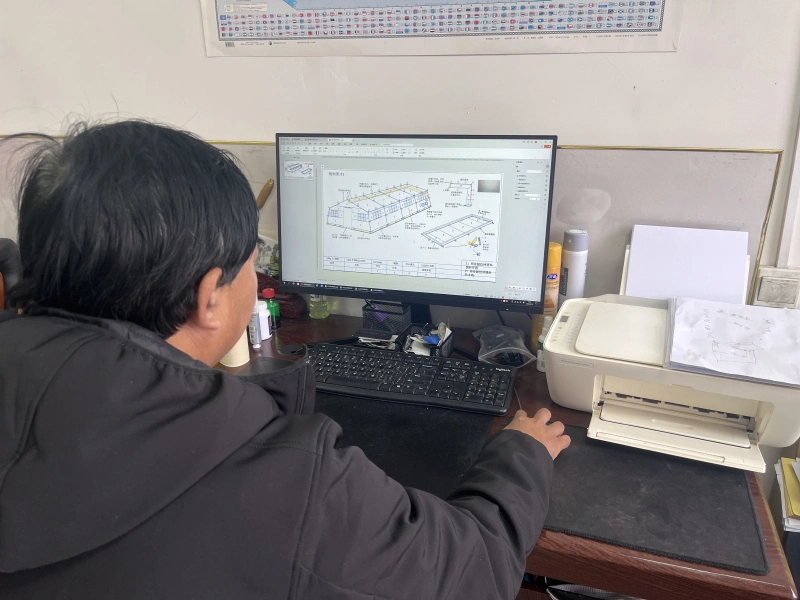
Production slots matter
A factory can have capacity and still not be able to start your order immediately. During busy periods, ask when your order is expected to enter production, not only how many days the manufacturing process normally takes.
Leave room for QC and rework
A schedule with zero buffer assumes every batch passes immediately. In real production, a small number of units may need rework or repacking. Build time for final inspection rather than treating it as an afterthought.
Shipping is a separate calendar
Production completion is not warehouse arrival. Ocean freight, customs, destination handling and local delivery all have their own timelines.
Ask for a real timeline
Instead of asking “How many days?”, request a sequence: artwork approval, material preparation, production, QC, packing, ex-factory date and estimated transit. You will get a much more useful answer.
PlayDo’s current SKIFF product page also separates standard and customized order timing, which is a useful example of why buyers should ask for a product-specific lead time rather than one blanket factory number.
Plan backward from the selling date
If inventory must be in a warehouse for a spring launch, work backward from that date through production, inspection and shipping. Then ask the supplier whether the whole timetable is realistic before the purchase order is finalized.
FAQ
Q: Why can a factory quote a short lead time but still deliver later? A: The quoted production time may not include artwork approval, material preparation, inspection, freight or other stages.
Q: Does customization always add time? A: It can. The impact depends on what is being customized and whether the required materials are already available.
Q: What date should I plan around? A: Use the date the goods need to reach your warehouse, not only the factory completion date.



