News 9 Jul 2026| Outdoor Industry
As outdoor travel continues to evolve, inflatable rooftop tents are attracting increasing attention from campers, overlanding enthusiasts, and outdoor equipment distributors. Their lightweight construction, quick setup, and compact storage make them an appealing alternative to traditional hard-shell and soft-shell rooftop tents.
But does this innovation mean inflatable rooftop tents will replace conventional rooftop tents? The answer depends on how users camp, what vehicles they drive, and what they expect from their outdoor equipment.
For distributors, importers, and outdoor brands, understanding this trend is equally important. As consumer demand shifts toward lightweight and multi-functional camping gear, inflatable rooftop tents are becoming a promising product category with strong growth potential.

Why Are Inflatable Rooftop Tents Growing in Popularity?
Lightweight Design Makes Travel Easier
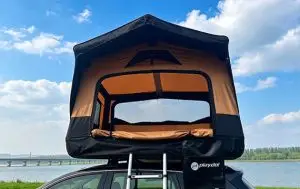
One of the biggest advantages of an inflatable rooftop tent is its reduced weight. Compared with many traditional rooftop tents, inflatable models are easier to transport, install, and remove.
A lighter rooftop system also reduces the load on the vehicle roof, which may improve fuel efficiency and make the tent compatible with a wider range of SUVs, crossovers, and pickup trucks.
For many first-time campers, a lightweight rooftop tent provides a more accessible way to experience vehicle-based camping without making permanent modifications to their vehicle.
Fast Setup Saves Time at the Campsite
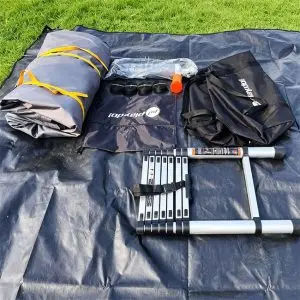
Traditional rooftop tents often require multiple steps before they are ready to use. Inflatable rooftop tents simplify this process by replacing rigid support poles with inflatable air beams.
With a suitable air pump, users can usually prepare the sleeping space in just a few minutes. This allows campers to spend less time setting up and more time enjoying the outdoors.
Fast deployment is especially valuable during bad weather or when arriving at a campsite after dark.
How Does an Inflatable Structure Improve Camping Comfort?
Stable Support Without Heavy Frames
Modern inflatable rooftop tents use high-strength air beams designed to provide reliable structural support after inflation.
Instead of relying on metal poles, the air-frame system distributes pressure evenly throughout the structure, helping the tent maintain its shape while reducing overall weight.
This innovative construction also creates a quieter camping experience because there are fewer rigid components that may vibrate in strong winds.
Comfortable Living Space for Different Camping Styles
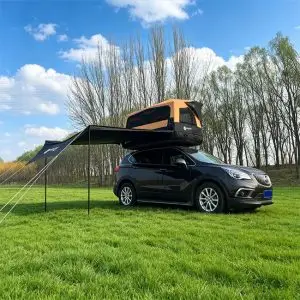
Today’s campers expect more than just a place to sleep. They look for better ventilation, larger interior space, panoramic windows, and comfortable sleeping conditions.
Many inflatable rooftop tents are designed to maximize interior volume while remaining compact during transportation, making them suitable for weekend camping, road trips, overlanding, and family adventures.
A Flexible Solution for Multiple Outdoor Scenarios
Unlike conventional camping equipment, some inflatable rooftop tents are designed with modular concepts that allow them to adapt to different outdoor environments.
Depending on the product design, they may be used on vehicle roofs, on the ground as standalone shelters, or integrated into broader outdoor camping systems.
This flexibility creates additional value for outdoor brands and distributors looking to offer versatile camping solutions instead of single-purpose products.
Why Outdoor Brands Are Paying Attention
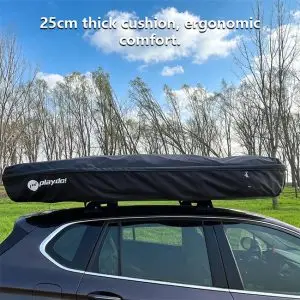
The global camping market continues to move toward products that combine convenience, innovation, and premium user experience.
For private-label outdoor brands, inflatable rooftop tents provide opportunities to differentiate product lines through customized colors, materials, accessories, and branding.
Manufacturers offering OEM and ODM services also help distributors develop exclusive products that better match regional market preferences.
As consumers become more interested in vehicle camping and outdoor travel, inflatable rooftop tents are expected to become an increasingly important segment within the camping equipment industry.
What Should Buyers Consider Before Choosing an Inflatable Rooftop Tent?
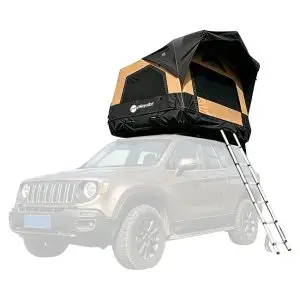
Whether purchasing for personal use or wholesale distribution, buyers should evaluate several factors, including:
* Vehicle compatibility
* Roof load capacity
* Waterproof performance
* Four-season usability
* Ventilation design
* Material durability
* Setup efficiency
* After-sales support
* OEM/ODM customization capabilities
Selecting the right manufacturer is just as important as choosing the right product, especially for distributors planning long-term cooperation.
Conclusion
Inflatable rooftop tents are not simply replacing traditional rooftop tents—they are expanding the choices available to today’s campers.
Their lightweight construction, fast setup, comfortable interior, and versatile applications make them an attractive option for both outdoor enthusiasts and B2B buyers. As camping technology continues to evolve, inflatable rooftop tents are likely to play an increasingly significant role in the future of vehicle-based outdoor adventures.
Whether you are an outdoor brand, distributor, or importer, understanding this emerging product category can help you stay ahead in a rapidly changing camping market.