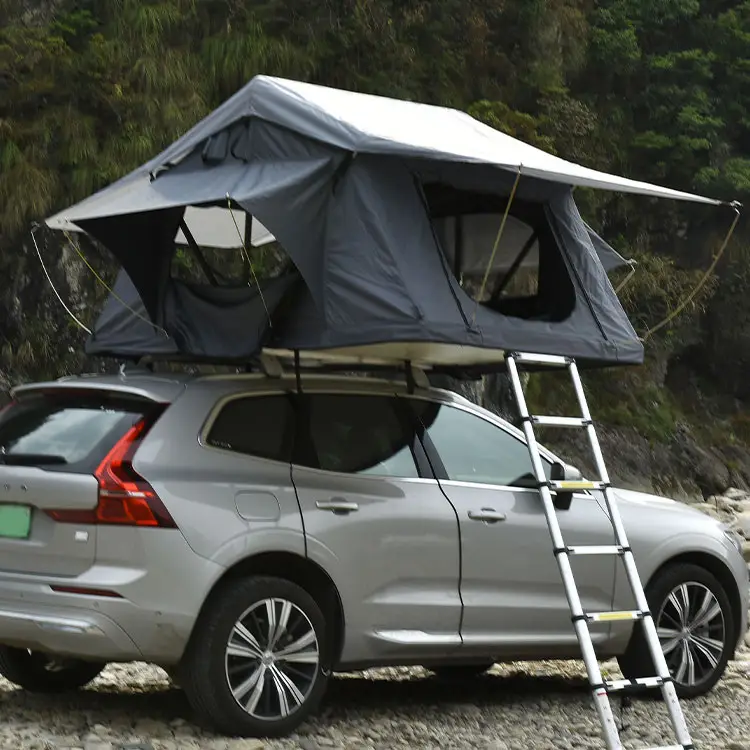

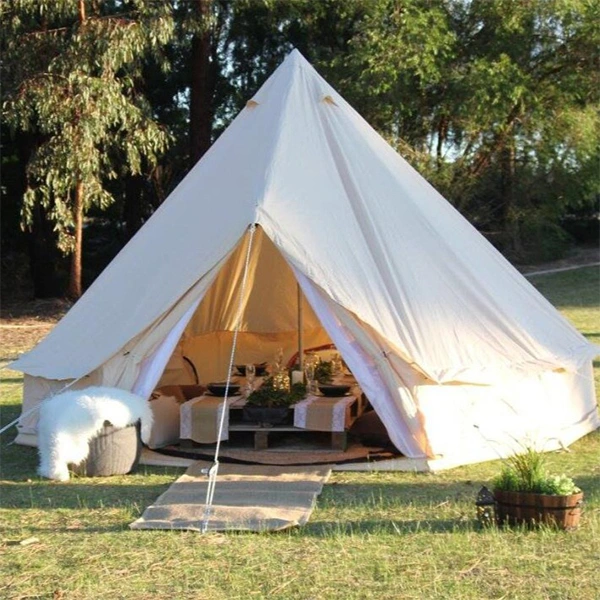


The inflatable rooftop tent PSI question lands in our inbox almost every week, usually at 9 pm from someone standing next to their car with a pump in hand: how much air is enough? We get it. Over-inflate and the relief valve starts hissing at you. Under-inflate and the walls sag before dinner. You do not need to guess, though, because our manuals print the exact numbers, and they are the same numbers across all four of our current models.
So here is the short version, straight from our own user manuals: 12 psi for the air mattress, 8 psi for the air columns, and around 2 psi when the tent is used on the ground. Now let us walk through why each number is what it is, because once you understand the logic, you will never have to look it up again.
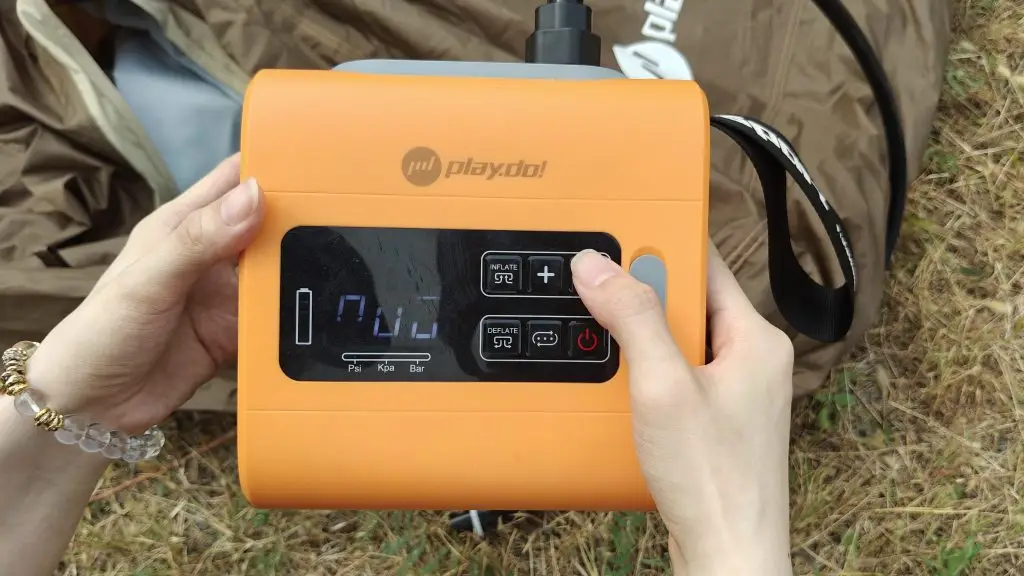
The two inflatable rooftop tent PSI values and what they do
An inflatable rooftop tent is really two air systems stacked on top of each other, and they do different jobs, so they run at different pressures.
The air mattress carries you. All of your weight, all night, spread across its surface. That is why our manuals call for 12 psi. At that pressure the surface feels firm like a good home mattress, not like a pool float. If you have ever slept on an under-inflated camping mattress, you know the feeling: your hips sink through by 3 am. The 12 psi figure is what keeps the sleeping surface supportive.
The air columns hold the tent up. These are the PVC tubes, 11 to 12 cm in diameter depending on the model, that replace the pole frame. Our manuals specify 8 psi for the columns. That sounds low next to the mattress number, but the columns have far more volume and they only need to hold shape, not support body weight. At 8 psi the walls stand rigid and the tent shrugs off wind that would fold a floppy structure.
One detail worth knowing: both numbers assume you use a pump with a pressure gauge. Every tent we ship includes or supports one, and the gauge is the only honest way to know where you are. Squeezing a tube with your hand tells you almost nothing, because 6 psi and 8 psi feel identical through fabric.
The inflatable rooftop tent PSI exception for ground use
Here is the number people are often surprised by: if you take the same tent off the car and set it up on the ground, in a guest room, or as a base camp annex, the manuals say around 2 psi is usually enough. Our Shell Wing manual actually prints it as 2 to 3 psi.
Why so low? Two reasons. First, on the ground the mattress lies on something, so it does not need internal pressure to keep its shape the way it does suspended on a roof. Second, a slightly softer surface is simply more comfortable, and you can tune it to taste. The manual puts it nicely: adjust according to personal preference. The gauge gives you the reference point, and your back makes the final call.
What happens if you under-inflate or over-inflate
Under-inflation announces itself. The walls develop soft spots and wrinkles, the tent leans a little, and in wind the whole structure starts to flex more than it should. If your tent looked great at the campsite photo but sagged by morning, the pressure was probably below spec, and cold overnight air makes it worse.
Over-inflation handles itself, which surprises people. Before 8 psi, if the red pressure relief valve on a column starts releasing air, that valve is doing its job. It is a safety part, not a defect. The fix is usually one adjustment, which we cover in our pressure relief valve guide.
There is one more over-pressure case that is completely normal: a hot afternoon. Air expands as it warms, so a tent inflated in the morning can creep past its set pressure in midday sun, and the valve may let a little out. That is by design. Top the columns back up to 8 psi with the gauge in the evening and you are set for the night.
A two-number habit worth keeping
If you take one thing from this article, take this: write 8 and 12 on a piece of tape and stick it on your pump. Those are the only two inflatable rooftop tent PSI targets you need in the field, and the gauge does the rest. Setup stops being a guessing game and becomes a thirty-second check per valve.
FAQ: inflatable rooftop tent PSI
Why is the mattress pressure higher than the column pressure?
Different jobs. The mattress supports body weight across its whole surface, so it needs 12 psi to stay firm. The columns only hold the tent’s shape, and 8 psi does that with a wide margin.
Do I really need a pressure gauge?
Yes. Hand feel cannot tell 6 psi from 8 psi, and the difference matters in wind. Both our hand pump and the optional electric pump carry a gauge, so read the needle and skip the guesswork.
Can I use the same pressure in summer and winter?
The target numbers stay the same, but temperature moves the reading. Air contracts in cold nights and expands in hot afternoons, so check the gauge before bed on cold trips and expect the valve to breathe on hot ones.
What pressure should I use with the tent on the ground?
About 2 psi, adjustable to taste. Off the roof, the mattress rests on solid ground, so a soft setting is more comfortable and perfectly fine.
For the tents these numbers come from, browse our [inflatable rooftop tents](https://www.playdooutdoor.com/product-category/rooftop-tent/inflatable-rooftop-tent/), and if a column ever seems to lose air slowly rather than hold pressure, our [slow leak diagnosis guide](https://www.playdooutdoor.com/inflatable-tent-slow-leak/) walks you through finding it.
Reviewed by the PlayDo Outdoor product team, October 2026.