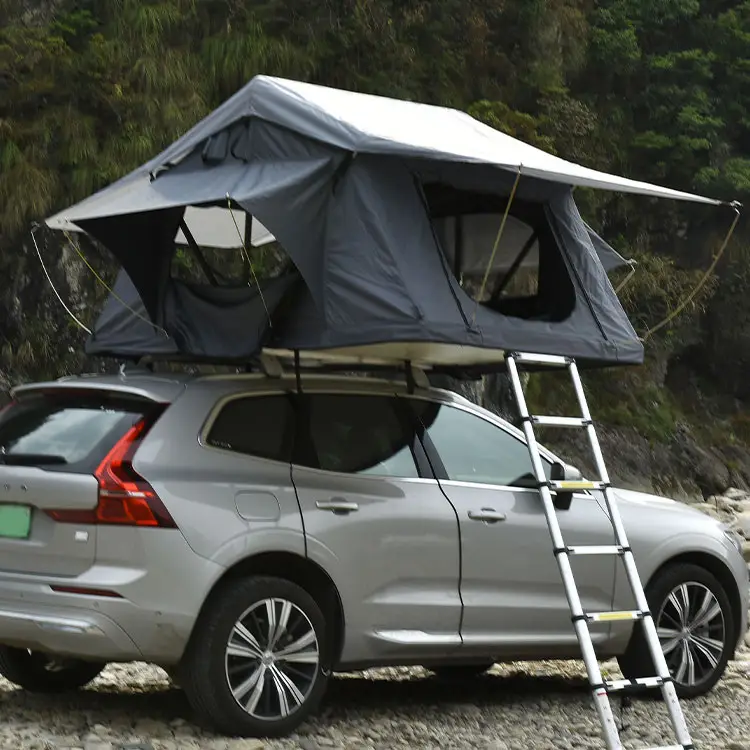


You spend eight hours a night inside a tent with your face close to the fabric. That simple fact is why tent fabric safety is a testing priority for us, not a brochure promise. We sent the woven fabric from our Family-01 inflatable tent to SGS in Tianjin, to the Chinese national textile safety standard GB 18401-2010, Class B, the grade required for fabric that touches skin. This article shows you the four results that came back and why each one matters when you press your cheek against the wall at 2 a.m.
What we sent, and what Class B means
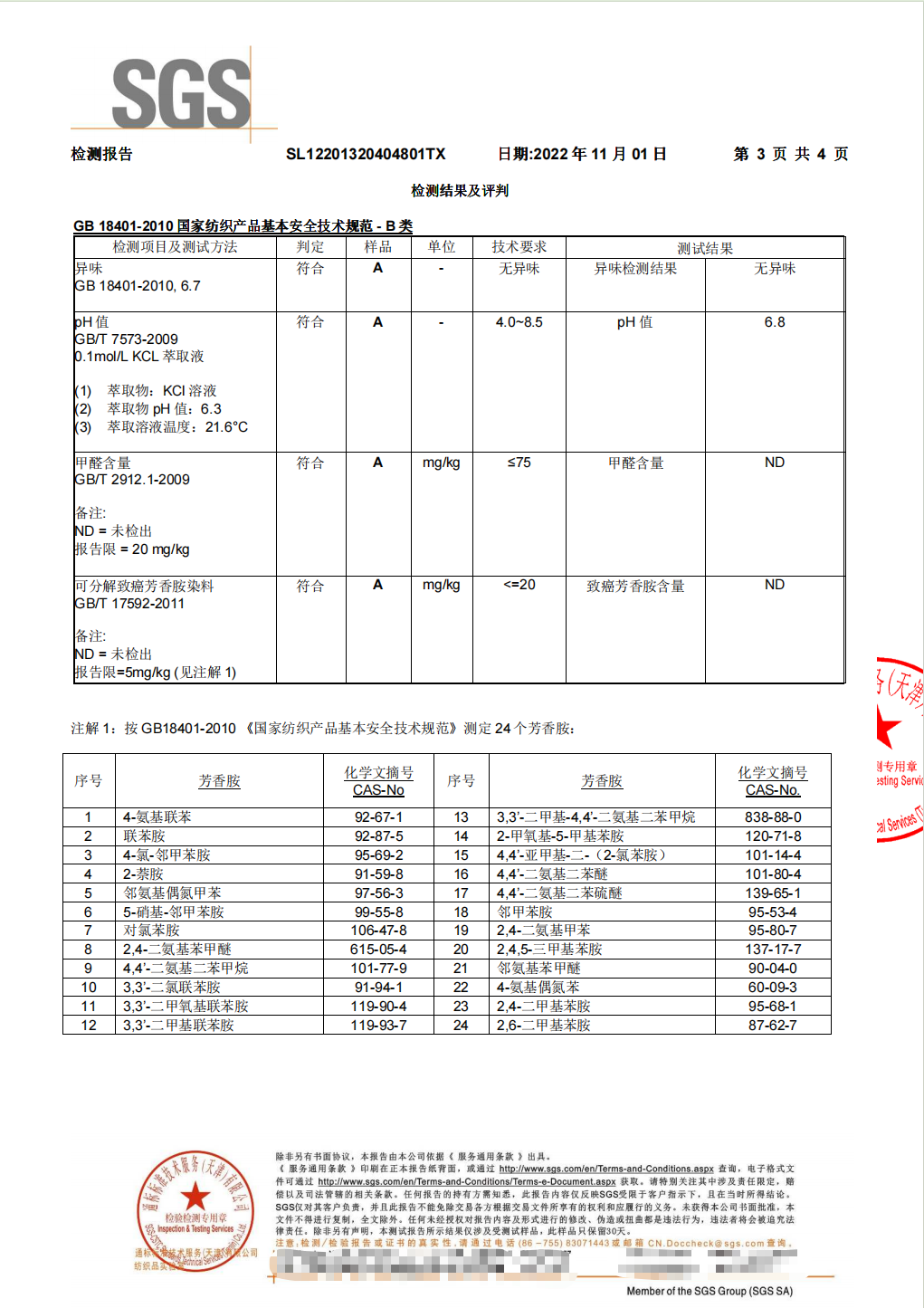
The sample was the blue woven fabric from a production Family-01 tent, The report number is SL12201320404801TX.
GB 18401 is China’s national textile safety specification, and it grades products into classes. Class B is the tier for textiles in direct skin contact: bed sheets, shirts, towels. Class C, the looser tier, is for outerwear and home furnishings. We chose to test to Class B on purpose. A rooftop tent wall is not clothing, but it is closer to your skin than a sofa is, and we wanted the stricter yardstick.
The four tent fabric safety numbers
pH value: 6.8. The lab extracted the fabric in potassium chloride solution per the standard method and measured pH 6.8 against an allowed window of 4.0 to 8.5. Why does pH matter? Fabric that is strongly acidic or alkaline irritates skin, especially damp skin on a warm night. 6.8 is essentially neutral, close to skin’s own pH.
Formaldehyde: not detected. Formaldehyde resins are used in some textiles for wrinkle resistance, and the Class B limit is 75 mg/kg. Our result came back ND, below the report’s detection limit of 20 mg/kg. Not “under the limit”. Not detected at all.
Carcinogenic aromatic amines: not detected. Some azo dyes can break down into aromatic amines, several of which are carcinogenic. GB 18401 tests for 24 of them, limit 20 mg/kg. Ours: ND across all 24, below the 5 mg/kg reporting limit.
Odour: none. The panel test found no smell. This one seems soft until you remember that a strong chemical smell in a tent is the most common complaint in budget tent reviews, and it is usually a symptom of something the other three tests would have caught anyway.
Why buyers should ask this question of any tent
Here is the practical part. Fabric safety is invisible: two rolls of blue woven cloth can look identical and behave completely differently once your skin and lungs get involved. The only reliable way to know is test reports, and the questions that separate a serious supplier from a casual one are simple:
- Which standard did you test to, and which class?
- Which lab, and can I see the report number?
- Was it production fabric or a specially prepared sample?
We answer those here because we want buyers asking them of every supplier they talk to, including us.
One honest caveat
This report covers the tested fabric lot, the way laboratory reports always do. Fabric is re-ordered over years, and a report for one lot is not a promise about the next roll. That is why the report lives in our incoming inspection process: each new fabric lot gets checked against the qualified reference, and buyers can request current test evidence with any order.
FAQ: tent fabric safety
What standard was the fabric tested to?
GB 18401-2010, Class B (direct skin contact), by SGS Tianjin, report SL12201320404801TX.
What does “formaldehyde ND” mean?
Not detected, below the report’s detection limit of 20 mg/kg. The Class B limit itself is 75 mg/kg, so the margin is large.
Is Class B stricter than what tents require?
Yes, most tent fabric is only expected to meet Class C, the non-skin-contact tier. We tested to Class B deliberately.
Does this apply to all colours of the fabric?
The tested sample was the blue production fabric. Other colourways are qualified separately through the same process.
For the tent this fabric goes into, see our [inflatable rooftop tents](https://www.playdooutdoor.com/product-category/rooftop-tent/inflatable-rooftop-tent/), and for how fabric choice affects durability as well as safety, our [Oxford vs poly-cotton fabric guide](https://www.playdooutdoor.com/tent-fabric-oxford-vs-poly-cotton/) compares the two main options.
Reviewed by the PlayDo Outdoor product team, October 2026.