

Nothing ends a trip faster than a ranger explaining that the ban you did not know about carries a fine. Camping fire bans are the least glamorous part of trip planning and one of the few that can cost real money. The rules also move, often weekly, and they vary so much between jurisdictions that experience somewhere else is genuinely misleading. Here is how to check properly, and how to plan cooking so a ban does not ruin the menu.
Where camping fire bans actually come from
Fire restrictions come from whichever body manages the land, which means national parks, forestry services, regional fire authorities and private campgrounds can each set their own rules for the same valley. The differences are real. One authority bans all open flame above a certain elevation, another bans it only outside designated fire rings, and a neighbouring district may have no restriction at all. Look up each area you will sleep in, on the official site rather than a forum thread, and re-check a day or two before you leave, because bans and lifting of bans both track the weather.
How camping fire bans are staged
Many regions use staged systems, often rising through stages with names along the lines of moderate, high, very high and extreme, each stage adding prohibitions. Common patterns include fires limited to designated rings at lower stages, then all campfires banned while gas or liquid-fuelled stoves remain allowed, then stove restrictions too at the highest stage. The details differ everywhere, so read the specific list rather than the level name. Pay attention to the two exclusions people miss: whether charcoal counts as a campfire, and whether a fire ban also bans smoking outside a vehicle.
Cooking when the fire is banned
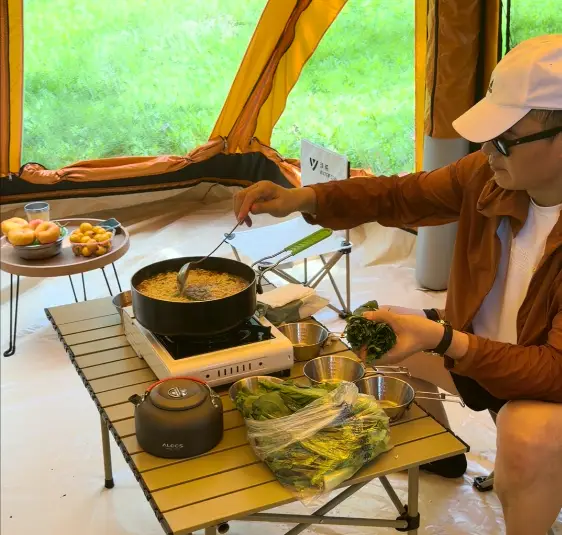
Most bans still allow gas or liquid-fuelled stoves with an on and off control, since those can be shut down instantly. Carry one even when you plan to cook over wood, and know how to operate it in wind. Cook on a stable surface away from the tent fabric and away from dry grass, keep a litre of water and a sand bucket next to the stove, and never leave it burning while you walk away. Solid fuel tablets and hexamine stoves sit in a grey area in some places, so check how your destination classifies them before packing them.
When you do have a fire, do it properly
Use an existing fire ring rather than building one. Clear a wide radius of anything that can burn, keep the fire small enough to cook on, and never leave it unattended, including overnight, since embers travel further than people expect. Put it out with water rather than burying it, stir, feel for heat with the back of your hand, and repeat until it is genuinely cold. Do not burn food waste or plastics, as both smell and neither burns cleanly. Collecting firewood is often restricted separately from fires themselves, and some parks only allow dead and down wood below a certain size or none at all.
The habits that keep you out of trouble
Check bans at every stop, not just the first, since crossing a boundary can change the rules twice in one day. Tell everyone in the group what the current restriction is, so nobody lights a fire at dusk in good faith. Keep your stove and water accessible so cooking does not require improvisation. If you see someone else’s unattended fire, report rather than extinguish it yourself when it is beyond a quick stomp. Finally, accept that a ban in peak season is not an overreaction by a distant bureaucrat. Most of them exist because someone’s trip ended in a helicopter evacuation the previous summer.
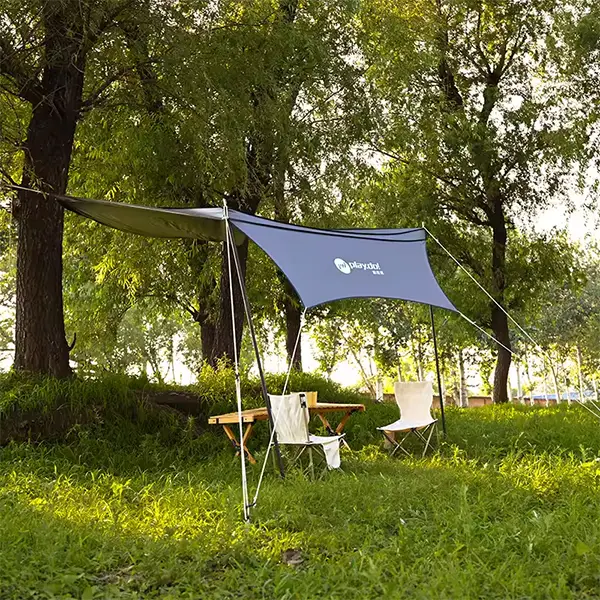
Seasonal planning helps too. If you are heading out in a dry spell, our [hot weather rooftop tent camping guide](https://www.playdooutdoor.com/product-category/rooftop-tent/) outlines warm-season setup, and our [tent accessories range](https://www.playdooutdoor.com/product-category/tent-accessories/) covers the shade and awning gear that makes no-fire evenings comfortable. More seasonal tips sit in our [camping news section](https://www.playdooutdoor.com/news/).
FAQ: camping fire bans
Where do I check whether there is a ban? The land manager’s official page for each area you will visit, checked again within a day or two of leaving.
Are gas stoves allowed during a ban? Often yes at lower restriction stages, though the highest stages can restrict stoves too. Read the specific list for your destination.
Does a ban cover charcoal? Frequently yes. Charcoal is often treated as an open fire rather than a stove.
How do I put out a campfire correctly? Drown it with water, stir the ashes, feel for heat, and repeat until cold rather than covering it with soil.
Reviewed by the PlayDo Outdoor product team, October 2026. Restriction levels change with weather, so always confirm with the local authority on the day.