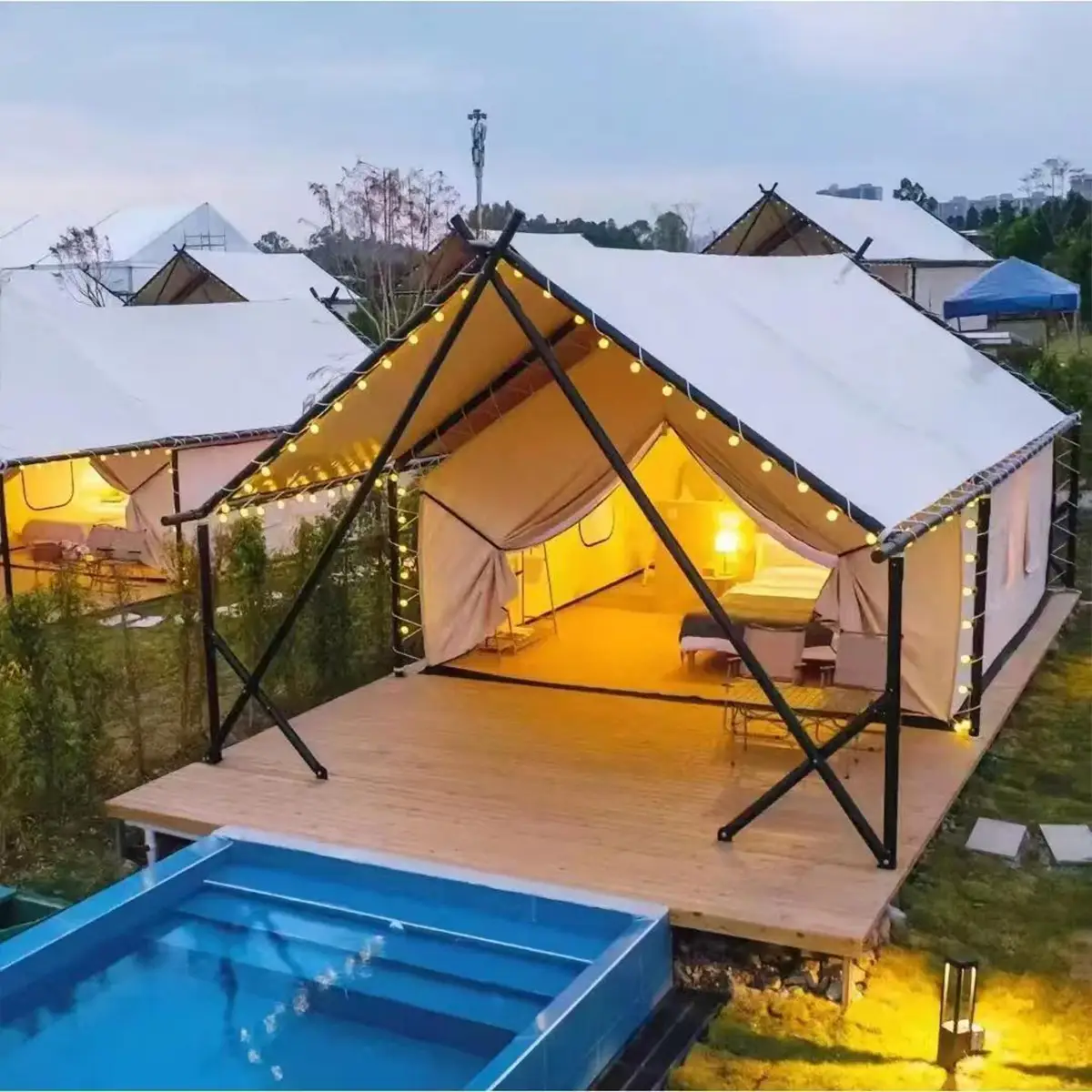

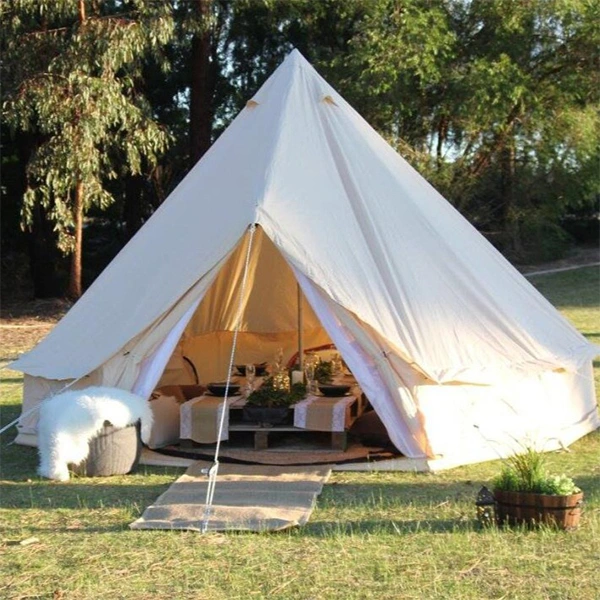
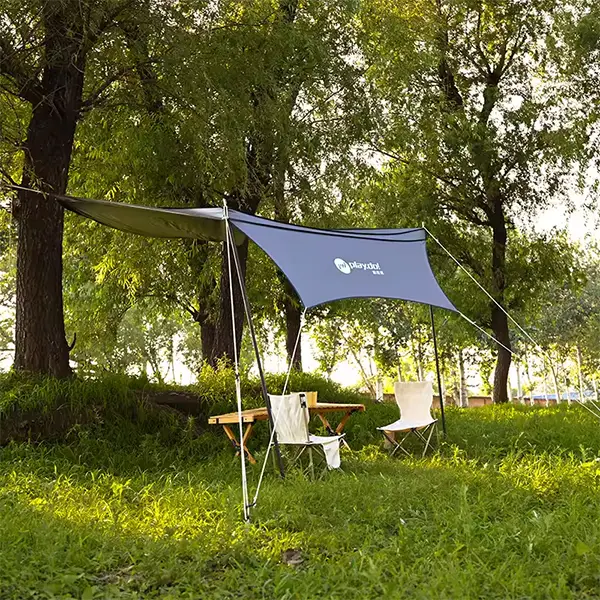

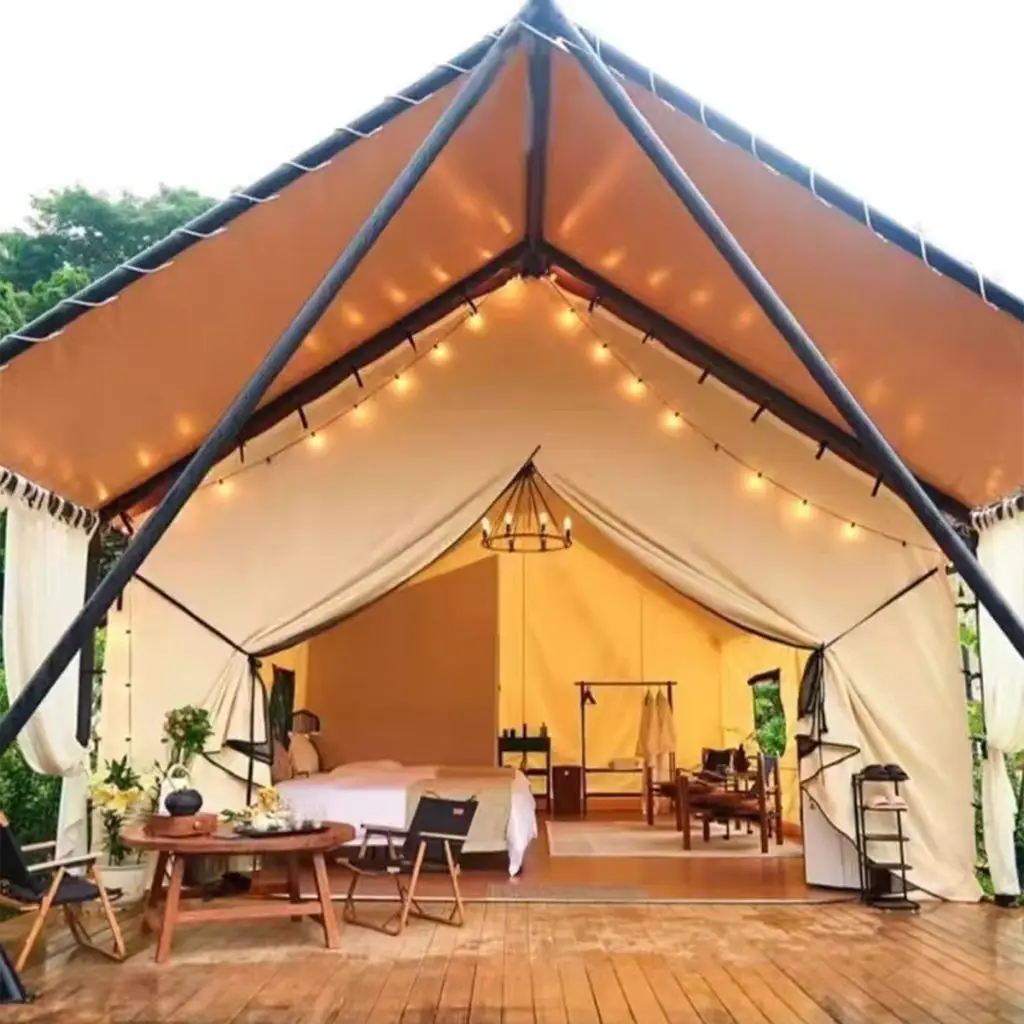
A glamping hotel tent is a piece of accommodation, not camping gear. That difference drives every specification worth arguing about, because this structure will stand in one place through several seasons, host hundreds of paying guests, and be judged on how it photographs as much as how it keeps water out. Buyers who price it like a tent tend to buy twice.
Start with the operating calendar, not the catalogue
Before comparing models, write down four things: how many nights a year you operate, whether the tents stay up year round, whether you have staff on site daily, and what winter actually does at your location. Those answers determine how much structure you need. A site that opens four months a year and strikes at season end can use lighter materials than one left standing through snow. A site without daily staff needs designs that tolerate neglect between guest changeovers. Everything after that follows from this handful of answers.
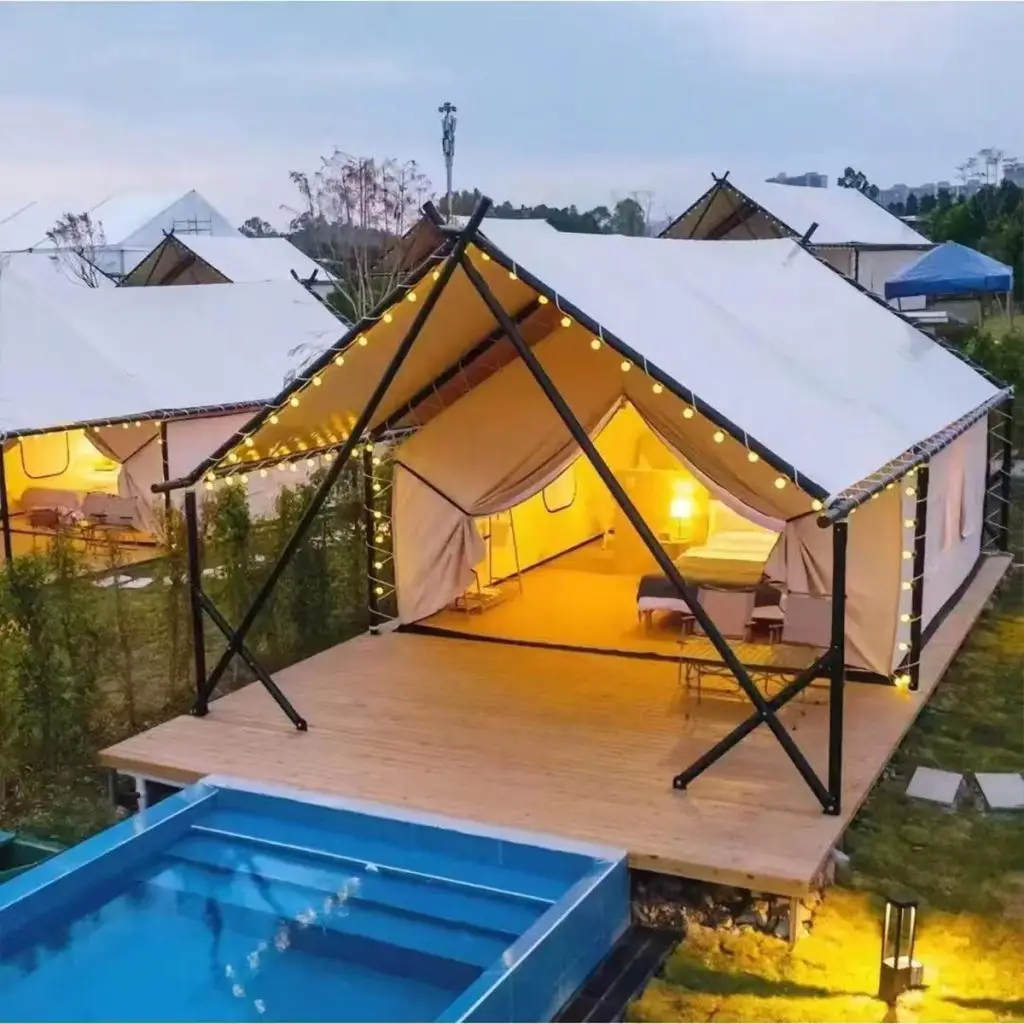
Fabric life decides the glamping hotel tent unit cost
Divide price by years of service, not by nights of glamour. Poly-cotton and canvas blends generally last longer in permanent exposure than lightweight coated synthetics, though they are heavier to install and need drying protocols. UV exposure is the main driver of fabric ageing, followed by standing water and abrasion at contact points. Ask for the fabric’s expected service life under continuous exposure, what maintenance the manufacturer recommends, and whether replacement roofs are sold separately from frames. A tent with a replaceable skin and a supported frame is a very different investment from one you must replace whole.
Structure, anchoring and what to demand in writing
Wind deserves specifics. Ask what wind speed the structure is rated to with all guying in place, what anchoring system suits your ground, and whether that rating assumes particular ground conditions. A rating quoted for soft grass does not transfer to a rocky ridge or an exposed coastal platform. Many regions require engineering review for fixed accommodation structures, particularly where guests sleep, so involve a local professional early rather than after delivery. Ask for the test method behind any stated figure, since a number without a method is not much use to an insurer or a building inspector.
Guest turnaround for a glamping hotel tent
The best floor plan on paper wastes money if cleaning takes too long. Look at how quickly two staff can turn a unit between guests, where bedding goes during cleaning, whether the entrance keeps grit out, and whether furniture can be moved without disassembling anything. Then look at the things that quietly cost you nights: how a faulty zip or a torn panel gets repaired, how long replacement parts take to arrive, and whether your own team can handle it or must wait for a specialist. Downtime during high season is the expensive failure mode, not the purchase price.
Compliance that applies to accommodation, not to camping
This is where projects get caught. Structures used as paid accommodation often attract requirements that leisure tents do not, covering fire safety, emergency egress, electrical installation, decking and sometimes accessibility. Requirements differ between countries and even between regions inside one country, so treat any checklist you download as a starting point and confirm the specifics with the local authority that issues permits. Electrical work inside a fabric structure deserves a qualified installer and correct protective devices regardless of what the rules strictly demand.
How to compare two quotes properly
Put both vendors on the same sheet with these lines: fabric specification and stated service life, frame material and coating, wind rating with test method, anchoring system, lead time, replacement parts availability, warranty terms and exclusions, installation support, and shipping terms. Then add the costs people forget, such as decking, furniture, heating or cooling, ground preparation, permits and installation labour. Two quotes differing by 15 percent can invert completely once you add a five-year replacement cycle. Our [rooftop tent factory audit checklist](https://www.playdooutdoor.com/rooftop-tent-factory-audit-checklist/) covers supplier questions worth asking here too, and our [fabric comparison guide](https://www.playdooutdoor.com/rooftop-tent-fabric-oxford-vs-polyester-cotton/) explains why two tents with the same denier can age very differently. Review the commercial configurations in our [glamping hotel tent range](https://www.playdooutdoor.com/product-category/campsite-tent/glamping-hotel-tent/).
FAQ: glamping hotel tent
How long should the fabric last? It depends on UV exposure and maintenance, so ask for the stated service life in writing along with the recommended care schedule.
What wind rating do I need? One that suits your site and ground conditions, with the test method stated. Exposed coastal or ridge sites need more than sheltered woodland.
Can I replace just the roof? On many designs yes, and that availability changes the true cost per year substantially.
Is it regulated differently from camping tents? Often yes. Structures used as paid accommodation may need permits, fire-safety compliance and professional electrical work. Check locally.
Reviewed by the PlayDo Outdoor product team, October 2026. Always confirm permits and structural requirements with your local authority before ordering.