A rooftop tent can look perfect in a product photo and still create problems after it reaches a customer’s garage. For inflatable models, quality control is especially practical because the final product depends on several connected systems: fabric, seams, air columns, valves, mattress, hardware and packing.
For a B2B buyer, the goal is not to inspect everything with a microscope. The goal is to build a repeatable inspection routine that catches the failures most likely to become returns, complaints or delayed launches.
1. Confirm the product against the approved sample
Before checking individual parts, confirm that the factory is building the correct version. Match the model number, dimensions, fabric specification, color, logo placement, accessory list and packaging to the approved sample and order sheet.
2. Check the air-beam system
The air columns should inflate as intended and hold their shape consistently. Check the valve connection, visible seams and protective sleeve for obvious defects. For a bulk order, the inspection standard should describe what counts as a failed beam, not just whether the tent looks inflated.
3. Run an air-retention test
Inflate the tent according to the manufacturer’s stated procedure, record the starting condition and observe the system over the defined test period. The exact test method should be agreed with the supplier because pressure, temperature and test duration can affect the result.
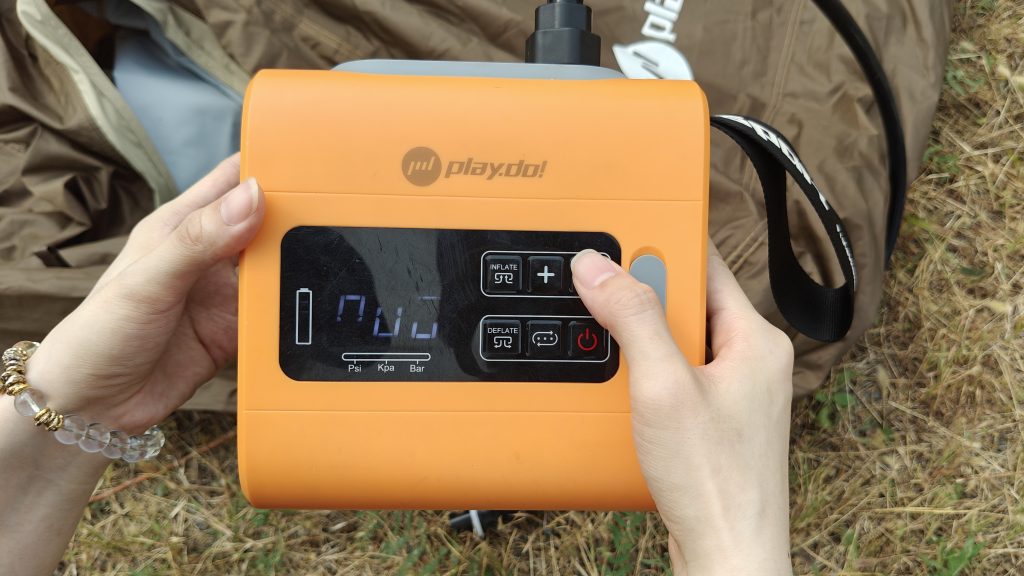
This is one area where written test records are more useful than a verbal promise. A buyer can request the method, the pass criteria and the result format before mass production starts.
4. Inspect valves, connections and repair points
Small components deserve attention because they can stop an otherwise good tent from being used. Check valve attachment, caps, protective sleeves and the repair kit. For long-term after-sales support, confirm that replacement parts are identified by part number or specification.
5. Inspect fabric, coating and stitching
Look for uneven coating, visible damage, weak stitching, skipped stitches, loose threads and poorly finished seam areas. Check high-stress zones around straps, zippers, corners and attachment points rather than focusing only on large flat panels.
6. Test waterproofing against the agreed standard
Waterproof performance should be linked to the material specification and the agreed testing method. A factory may have its own internal spray or water test, while a buyer may require a third-party report for a particular market. The important point is to define the requirement before production.
7. Check opening, closing and setup
Ask the inspector to use the tent as a customer would. Inflate it, open doors and windows, deploy the ladder if included, use the mattress and then pack the unit away. This often reveals practical defects that a static visual inspection misses.
8. Verify the accessory and packing list
A missing pump, shoe bag, repair kit, ladder component or manual can turn a finished shipment into an after-sales issue. Compare the actual carton contents with the approved packing list and make sure the manual matches the final product version.

9. Record final inspection results
The inspection result should be traceable to the batch or order. Keep photos, test records, defect counts and the final disposition of non-conforming units. A supplier that can show a clear final QC process gives the buyer something much more useful than a generic statement such as ‘100% checked.’
Build the QC standard before the first bulk order
The easiest time to define quality is before production starts. Write the acceptance criteria into the purchase process, reference the approved sample, and agree which checks are done by the factory and which are done by the buyer or a third-party inspection company.
PlayDo’s current sourcing guidance highlights incoming material checks, in-line inspection, air-retention and pressure testing, waterproof testing and final inspection as useful checkpoints when evaluating an inflatable rooftop tent supplier. The product pages also describe specific constructions for models such as SKIFF and Starry Sky 2, which can be used as the baseline for a product-specific QC sheet.
FAQ
Q: What is the most important QC check for an inflatable rooftop tent? A: Air retention is one of the most important checks, but it should be part of a wider inspection covering seams, fabric, valves, setup and packing.
Q: Should I inspect every unit in a bulk order? A: The inspection plan depends on order size and your risk tolerance. At minimum, agree on a documented final inspection process and clear acceptance criteria.
Q: What should I request from the factory? A: Ask for the QC checklist, test methods, sample standards, inspection records and the process for handling non-conforming products.
Suggested Internal Links
B2B sourcing guide – https://www.playdooutdoor.com/source-inflatable-rooftop-tents/
SKIFF – https://www.playdooutdoor.com/product/skiff-inflatable-rooftop-tent/
Starry Sky 2 – https://www.playdooutdoor.com/product/starry-sky-2-inflatable-rooftop-tent/