




Private label rooftop tents can look simple from the outside. Pick a model, add a logo, choose a carton and place the order. In practice, the projects that move smoothly start much earlier. The brand and manufacturer agree on the product specification before anyone talks about mass production.
Start with the market, not the logo
Before asking for a logo mock-up, define who will buy the tent and how it will be sold. A distributor serving 4×4 retailers may need a rugged family roof tent, while a lifestyle outdoor brand may prefer a lighter inflatable model that is easy to store and display. The target customer affects sleeping capacity, vehicle fit, packed size, fabric choice, accessories and even the wording on the carton.
A short product brief should answer five basic questions: target market, expected retail position, target user, preferred size or capacity, and the main features that must stay in the product. Once these are clear, the supplier can recommend an existing platform or suggest a new configuration.
Decide what is really being customized
OEM and private label are not the same as creating a completely new tent. Many brands start with a proven product and customize the parts that matter commercially. Common changes include logo placement, fabric color, packaging artwork, labels, storage bags, manuals and selected accessories.
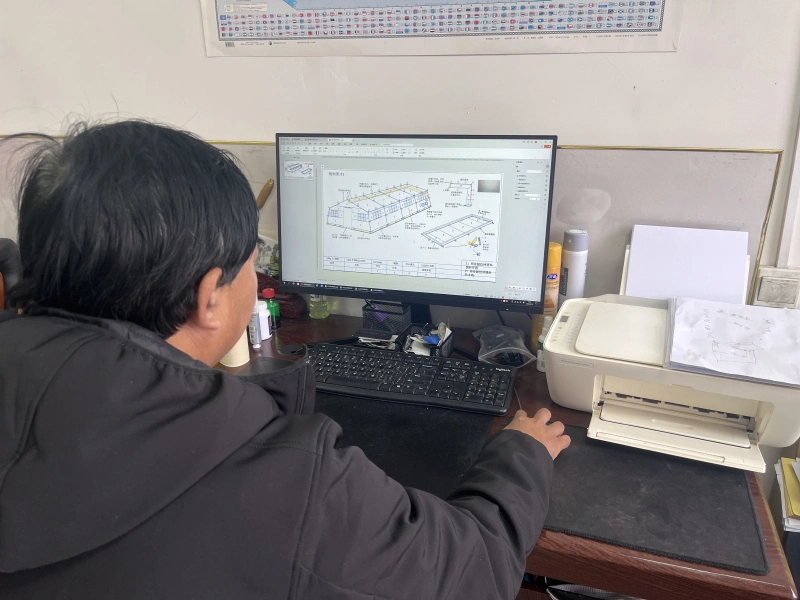
For more advanced projects, the brief can also cover design changes, new dimensions, different materials or an updated feature set. This is where ODM can become useful because the manufacturer is contributing product-development work rather than only producing a finished design.
Approve the sample before expanding the order
A sample is more than a visual check. It is the reference point for the bulk order. Review the actual setup process, packed size, stitching, zippers, valves, air retention, mattress dimensions, ladder position and accessory list. Check the product against the specification sheet instead of approving it from photos alone.
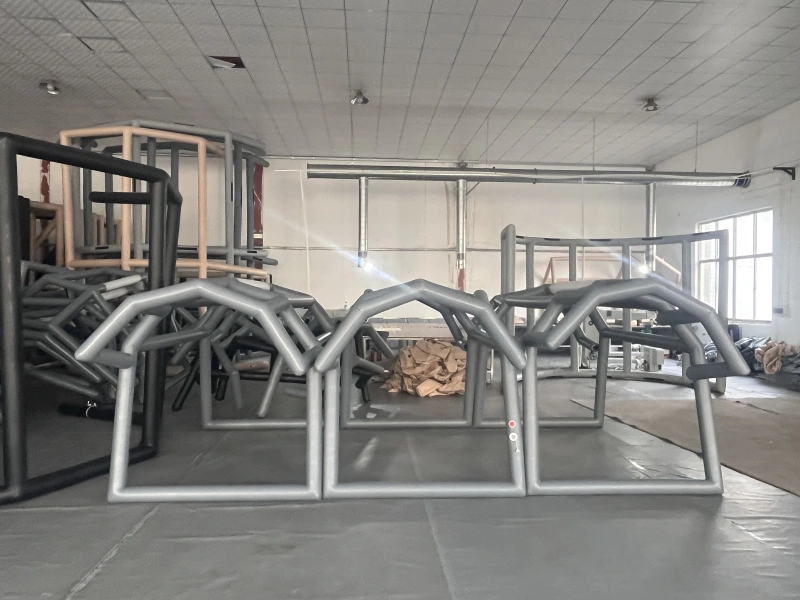
For inflatable rooftop tents, the air-beam and valve system deserve special attention. A clean-looking sample does not tell you how the structure behaves after inflation or whether the pressure is retained overnight. The supplier should be able to explain the test procedure and what is checked before packing.
Lock the packaging details early
Packaging often gets left until the final stage, then becomes a source of delay. For a private label program, prepare the carton artwork, product name, model number, barcode if required, warning text, care information and instruction manual before the production slot is booked.
Also decide how spare parts will be handled. A simple repair kit, replacement valve, patch material or other small components can be packed with the product or supplied separately. Making that decision early helps the factory build the correct packing list and reduces last-minute carton changes.
Put the commercial terms next to the product specification
A private label project is easier to manage when product and commercial terms are written together. Confirm MOQ, sample cost, sample approval process, production lead time, payment terms, packaging quantities and the rules for design changes. If the logo or packaging is unique to the buyer, make sure the artwork version used for production is explicitly approved.
From first sample to repeat orders
The strongest private label programs are built around repeatability. The goal is not simply to make one good sample. It is to create a specification that the factory can reproduce consistently on the second, third and tenth order. That means keeping a confirmed sample, final artwork, approved material list, accessory list and inspection standard on file.
PlayDo supports rooftop tent OEM and ODM projects, including custom logo, color, packaging and product-development work. The current rooftop tent range includes inflatable, hard-shell and soft-shell formats, giving brands room to build a product line instead of relying on a single SKU.
FAQ
Q: What should I send a manufacturer for a private label rooftop tent project? A: Start with your target market, product type, size, key features, logo artwork if available, packaging requirements and estimated quantity.
Q: Can I start with an existing rooftop tent model? A: Yes. Starting from an established platform is often the simplest route for a first private label program, with customization focused on branding, materials, packaging and selected features.
Q: What is the most important step before mass production? A: Sample approval against a written specification. The approved sample should become the reference for the bulk order.
Suggested Internal Links
Rooftop Tent category – https://www.playdooutdoor.com/product-category/rooftop-tent/
Shell Wing product – https://www.playdooutdoor.com/product/shell-wing-inflatable-rooftop-tent/
SKIFF product – https://www.playdooutdoor.com/product/skiff-inflatable-rooftop-tent/
Contact – https://www.playdooutdoor.com/contact/



