



Rooftop tent child safety is the difference between a fun family trip and a white-knuckle night. Kids love the ladder and the height, which is exactly why a few habits keep the magic without the risk. None of this is hard; it is just front-loaded care.
The ladder is the first rule of rooftop tent child safety
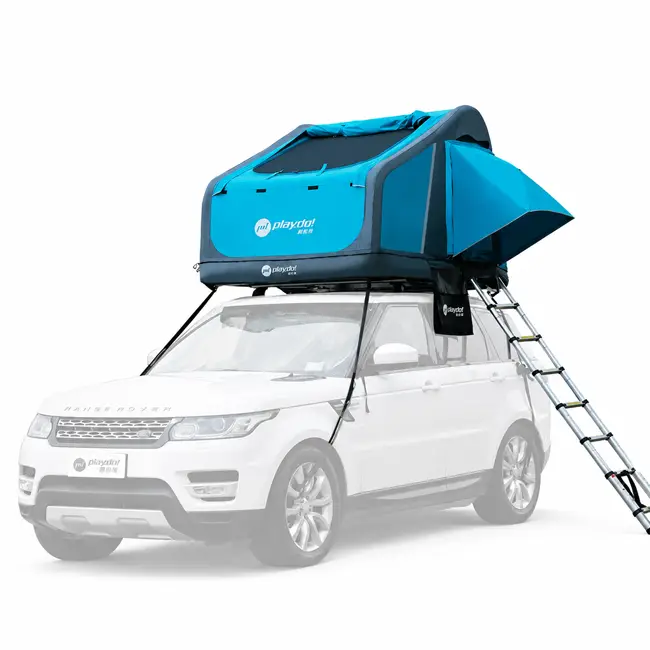
Before each climb, an adult should check that the vehicle is parked securely, the ladder is attached and positioned exactly as the tent manual describes, and the ground beneath it is firm and level. Children should climb only with an adult directly supervising; never allow a child to use the ladder as play equipment. Use dry ladder rungs and suitable non-slip footwear.
A mesh door, insect screen or fabric wall is not a certified fall-protection barrier. Keep the entrance closed when appropriate, but do not rely on mesh to prevent a child from falling. Follow the product manual for the number of occupants, ladder use and any age or supervision guidance.
Rails, nets, and the midnight wander
Zip the mesh door shut every night, even in warm weather; a half-open panel is an open invitation at 3 am. Check the rail seams and the window nets for tears before each trip, because a small hole is a big gap to a child. Good rooftop tent child safety treats the enclosure as a crib rail, not a suggestion.

Inside the tent: rooftop tent child safety habits
Keep the floor clear of trip hazards and stow the stove and knives below in the vehicle, never in the loft. A small battery light at child height means no one fumbles for a switch in the dark. Talk through the “what if” before bed: where the exit is, why we stay low, and that the ladder is a big-kid tool.
Before choosing a family setup, compare the sleeping layout and stated capacity of the 【six PlayDo inflatable rooftop tent models】. Review the 【rooftop tent setup guide】 with every adult who will assemble the tent, and check the vehicle and mounting requirements in the 【vehicle compatibility guide】 before the first trip.
The ground below matters too
Park so the ladder lands on flat, soft ground, not rocks or a slope. A foam mat under the ladder catches a slip and quiets a clatter. The safest rooftop tent child safety plan reaches all the way to the dirt, because most bumps happen at the bottom, not the top.
Pack the calm, not just the gear
A tired, hungry child climbs worse and sleeps lighter. Keep a favorite small blanket and a familiar pillow in the sleep cube so the loft feels like home. A consistent bedtime routine up in the tent, same as at home, settles the wiggles faster than any bribe, and a calm kid is simply a safer kid.
Weather and the ladder
Rain makes the rungs slick, so dry them and go up in grippy shoes, not barefoot. Wind pushes a climbing child off balance, so face the ladder into the wind and keep a hand on the rail. A small step stool at the base bridges the last gap for short legs and spares the scramble. Most rooftop tent child safety habits are just weather sense applied one rung at a time. Teach the kids to wait at the bottom until you are set at the top; a parent ready to catch beats a parent still climbing. And never let the ladder double as a jungle gym while you pack the car, because a bouncing rail loosens the mount you trusted all night.
FAQ: rooftop tent child safety
What age is safe for the ladder? With an adult guiding, most kids manage by age four or five; carry toddlers.
Should the mesh door stay zipped? Yes, every night, even when it is warm.
How do I childproof the rails? Inspect seams and nets before each trip and patch any tear at once.
Where do I keep the stove? Down in the vehicle, never inside the tent with kids.
Camp elevated with confidence using a tent from our [inflatable rooftop tent collection]and ask [our team] about family-friendly models.