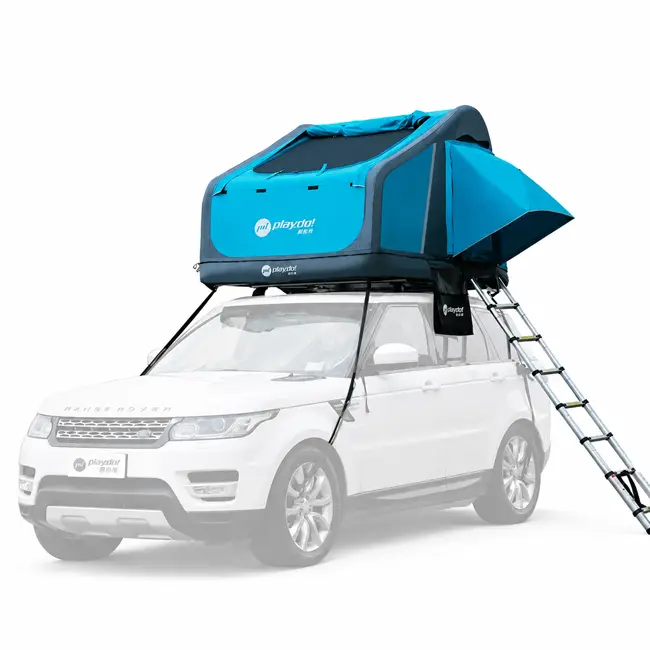
Rooftop tent bugs are one of the quiet reasons people stop sleeping on the ground. A metre of air and a ladder is already a barrier that most crawling things will not cross, and you are above the damp ground where the worst of them live. That said, the ones that do make it up are usually there because of something you did, and that is good news because it means you can stop it.
Why rooftop tent bugs are fewer than on the ground
Height does the work. Ants, beetles and most spiders arrive by walking, and a ladder with a smooth underside gives them a much harder route than a tent floor does. You also escape ground moisture, which is where midges breed and where ticks sit waiting on grass. The two weaknesses of a rooftop tent are the door, which is a big zippered hole, and the ladder, which is a bridge you install yourself. Every habit below is about those two things.
Mosquitoes and midges: mesh matters
Standard mosquito mesh stops mosquitoes. Midges, sandflies and no-see-ums are small enough to pass through coarser mesh, so if you camp near still water or on a coast, look for a tent with finer mesh on the door and vents and check the spec rather than assuming. Flying insects come for light and carbon dioxide, so do not run a bright lantern inside the tent with the door open at dusk. Close the door early, use a warm coloured light outside, and keep a head torch rather than a lantern for inside. A small fan pointed across the doorway does more than most sprays, since midges are weak fliers.
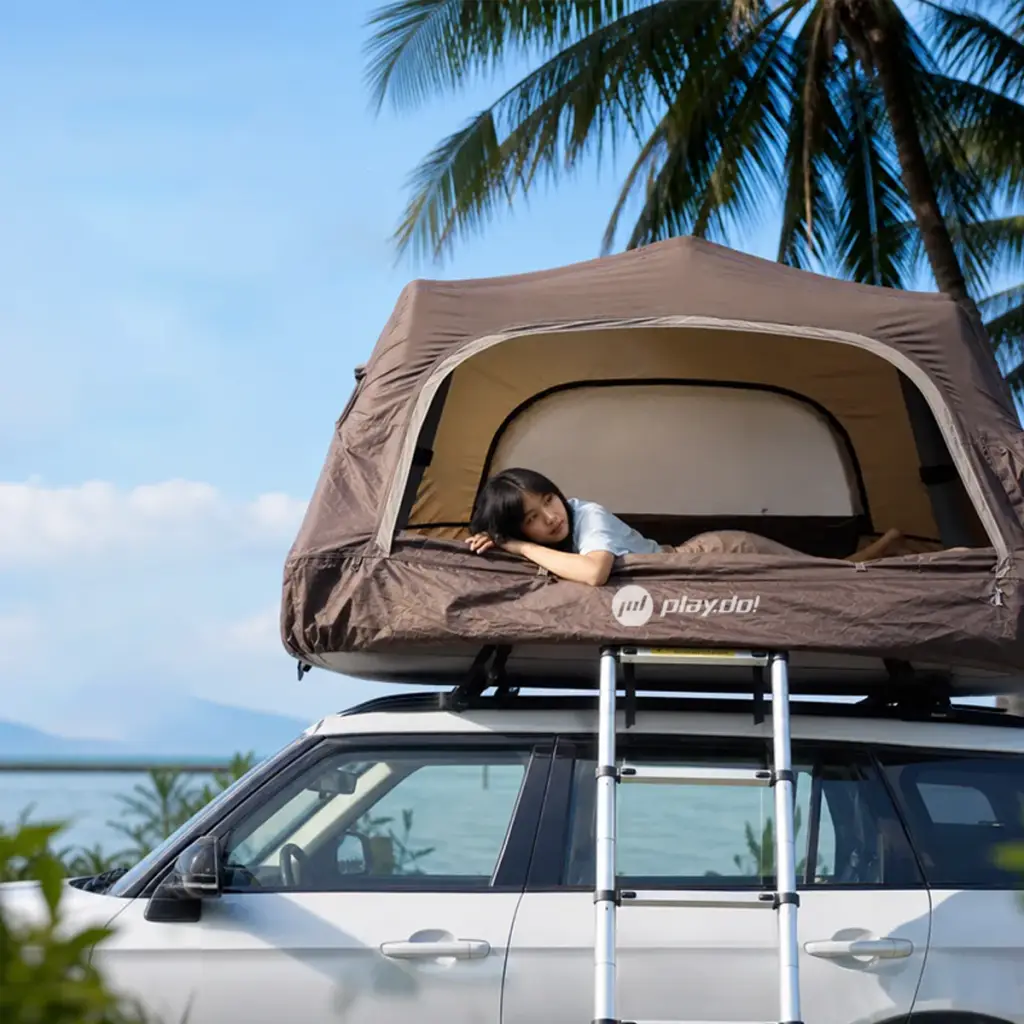
Ants, spiders and the ladder problem
Ants find a tent because something edible was left in it, and the fix is boring: no food up top, ever. Not a biscuit, not a fruit bar, not a juice box. If you must bring water, keep the bottle sealed and wipe the threads. Spiders are the opposite problem, since they come for the insects your light attracts and they are genuinely useful. Sweep the ladder and the underside of the base with a brush before you climb, and shake out the door flap in the morning rather than closing it around whatever sat there overnight. A quick two-minute sweep at teardown keeps most of this out of your life.
Food storage in bear and dingo country
Where there are animals that can and will open a vehicle, a rooftop tent is not a food safe and neither is the car. Use the storage the site provides, hang food where that is the local practice, or carry a certified hard-sided container where that is required. Rules differ by park and by country, so read the sign at the entrance rather than following what worked somewhere else. Cooking downwind and away from the sleeping area, then storing everything scented in a sealed box away from camp, covers most situations. Do not cook in or next to the tent, no matter how convenient the annex looks at the time.
Ticks, wasps and the checks worth doing
Ticks come from grass and scrub, not from the tent, so they are a daytime problem. Long socks, a check at the end of each walk, and knowing how to remove one properly matter more than any spray. Wasps are attracted to sweet drinks and meat, so rinse cans and plates before they go in the bag. In snake country, the habit that helps most is a torch every time you get down at night, since your ladder base is exactly the kind of warm, sheltered spot that gets used. None of this is dramatic, it is just the small set of habits that experienced campers run without thinking.
A pack down routine that keeps them out of the bag
Most rooftop tent bugs end up at home because they were packed with the tent. Before you fold, brush the base and the ladder, shake the door and window flaps, and look along the zip track where things like to sit. Pack the tent dry, because a damp fold invites mould as well as stowaways. When you get home, open it in the garden or on a balcony rather than in the spare room, then brush it again before it goes into storage. Two minutes at the campsite and two minutes at home is the whole system, and it is why some people camp for ten seasons without ever sharing a tent with an ant colony.
FAQ: rooftop tent bugs
Do you get fewer insects in a rooftop tent? Usually yes, because you are above damp ground and most crawlers will not cross a ladder.
What gets through standard mesh? Midges, sandflies and no-see-ums are small enough to pass coarser mesh, so check the spec if you camp near water.
How do I stop ants? Keep all food out of the tent and brush the ladder and base before climbing. Ants arrive for food, not for the view.
Is it safe to keep food in the tent in bear country? No. Use site storage, hanging or certified containers as the local rules require.
A tent with good mesh and a clean ladder solves most of this. Browse our [inflatable rooftop tents](https://www.playdooutdoor.com/product-category/rooftop-tent/), or ask [our team](https://www.playdooutdoor.com/contact/) about mesh specifications.