


Written by Bill · Reviewed by the PlayDo Outdoor product team
Importing rooftop tents comes down to three things you can prepare before the container ever leaves the port, the right documents, the right HS code, and a clear idea of the landed cost. None of it is hard, but each one you skip shows up later as a fee, a delay, or a container sitting in customs while your season slips away.
Key takeaways
- Prepare the commercial invoice, packing list, and bill of lading first.
- The HS code sets your duty rate, so classify the tent correctly.
- Landed cost includes freight, duty, and port fees, not the unit price alone.
- A customs broker is worth the fee on your first few containers.
Importing rooftop tents: the documents you need
Every import runs on a small stack of paper, and it is easiest to gather it before the goods ship. The commercial invoice states what you bought, how many, and for how much, and the customs authority reads it as the basis for duty. The packing list shows how the goods are packed, the carton count, the weights, and the dimensions. The bill of lading is the carrier’s receipt and title document, the paper that lets you claim the goods at the other end.
On top of those three, a tent buyer often needs the compliance file. If you sell into the EU, that means the CE documentation, the test reports, and the Declaration of Conformity that back the mark. If your market asks for flammability or fabric certificates, have those ready to show. A missing compliance document delays clearance and can get a shipment held for inspection.
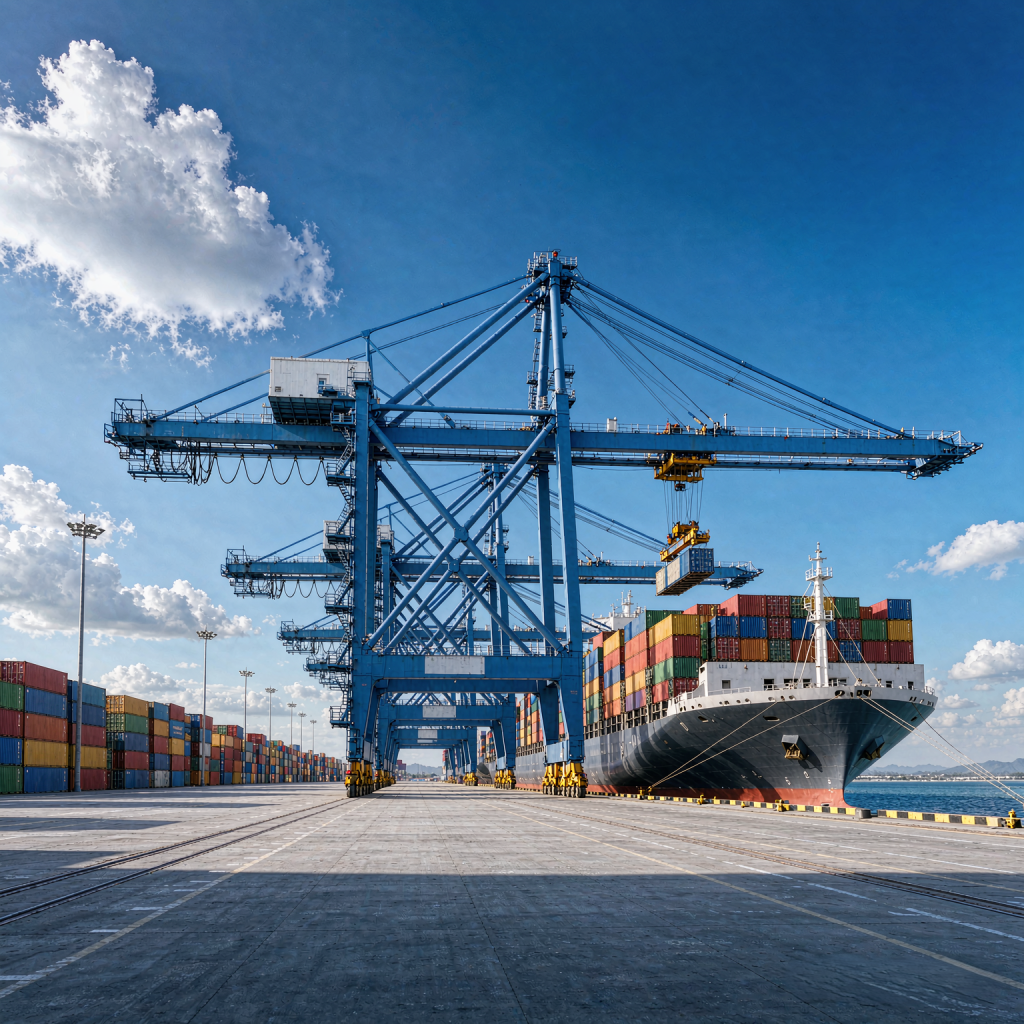
Importing rooftop tents: duties and the HS code
The duty you pay is set by the HS code, the harmonized system code that every country uses to classify goods. Tents fall under a heading that covers tents and other made-up textile articles, and the exact subheading depends on the material, which is why the classification matters. A tent classified one way can carry a different duty rate than the same tent classified another way.
The practical move is to agree the HS code with your supplier before you order, and to check it against your own country’s tariff schedule. Your customs broker or your local trade office can confirm the duty rate, and that number is what you plug into your landed cost. Get the classification right up front, because reclassifying at the border is exactly where surprise duties come from.
Landed cost: what the invoice does not show
The price on the invoice is only the start. Landed cost is the number you actually pay to have the tent sitting in your warehouse, and it is the number that decides whether your margin survives.
Start with the unit price, then add ocean or air freight, then insurance, then the duty you calculated from the HS code, then the port and terminal handling charges, the customs broker fee, and the local delivery. A tent that looks cheap on the invoice can land more expensive than a slightly pricier one once every fee is counted, and buyers who skip this arithmetic end up underpricing their own retail.
Work the landed cost out before you commit, and use it to compare suppliers honestly. Two quotes are only comparable when both are landed, because a low unit price can hide a high freight or a wrong classification.
When you are ready to import, ask us for the full documentation for the [inflatable rooftop tent range](https://www.playdooutdoor.com/product-category/rooftop-tent/inflatable-rooftop-tent/), including the compliance file, so your first container clears without a fight.
FAQ: importing rooftop tents
What documents do I need to import rooftop tents?
A commercial invoice, a packing list, and a bill of lading at minimum, plus the compliance file your market requires.
How is the duty on a rooftop tent set?
By the HS code, which classifies the tent by material and type, so agreeing the correct code up front sets your duty rate.
What is landed cost?
The total of unit price, freight, insurance, duty, port fees, and local delivery, the number you actually pay to have the goods in your warehouse.
Should I hire a customs broker?
For your first few containers, yes. They confirm the HS code, handle clearance, and cost less than a held shipment.
Importing is mostly preparation. Gather the documents, agree the HS code, and price the landed cost before you buy, and the container clears without drama. To get the full import file for the [rooftop tent range], [message our team] and we will send what your market needs.