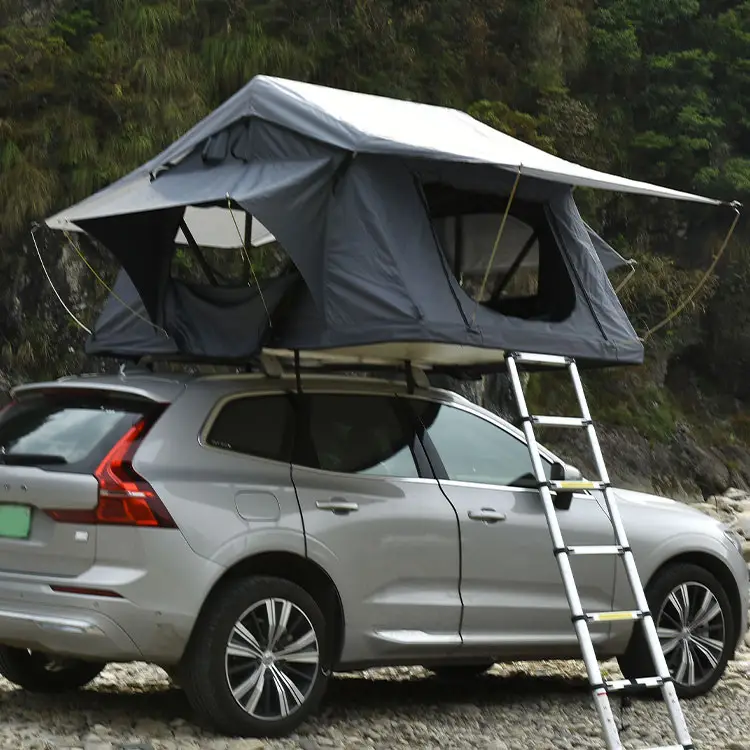
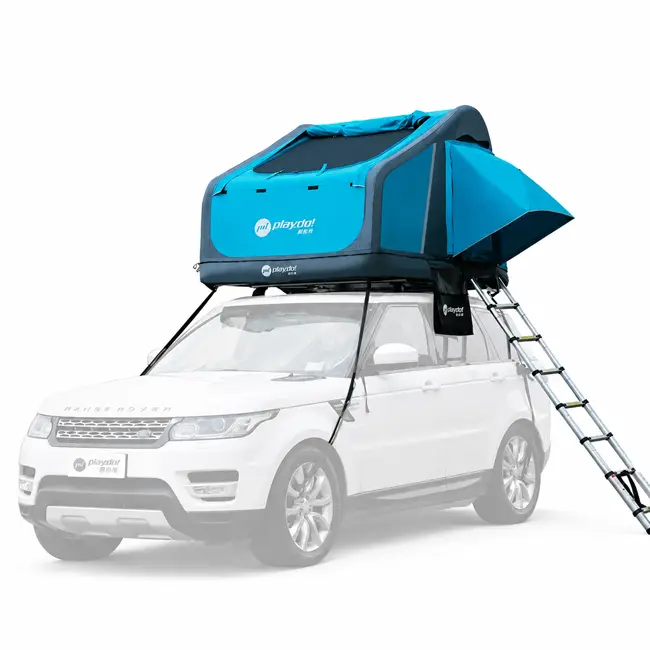
A good inflatable rooftop tent is an investment in years of adventure — but only if you take care of it. The good news: maintenance is simple, and a few habits after each trip will keep your tent waterproof, odor-free, and ready to deploy at a moment’s notice. Think of it like brushing your teeth: two minutes now saves a painful problem later.
Here’s the straightforward care routine we recommend for every inflatable rooftop tent owner.
Right After the Trip: The 10-Minute Reset
Before you drive home or stow the tent, do a quick reset:
- Shake out debris.Remove leaves, sand, and dirt from seams and the base.
- Wipe surfaces.A soft cloth with mild soap and water lifts most grime.
- Rinse lightly.Fresh water on zippers and buckles prevents salt or sap buildup.
- Air it out.Leave it open for 15–20 minutes so moisture evaporates.

Deep Cleaning (Every Few Trips)
For a proper clean, set the tent up or lay panels flat:
- Use lukewarm water and a mild, non-detergent soap. Harsh chemicals break down coatings.
- Soft brush or sponge only — no abrasive pads.
- Pay attention to the base and ladder area, where mud collects.
- Rinse thoroughly; soap left behind attracts dirt.
- Never machine-wash or tumble-dry an inflatable tent.
Drying Is Non-Negotiable
Mold is the enemy, and it only needs a little trapped moisture. Always ensure the tent is completely dry before packing. If you must pack damp (rare, unavoidable), unpack and dry within 24 hours at home. A fan in a garage speeds this up.
Inspect the Air System
| What to check | Why |
| Valve seals | A loose valve slowly leaks overnight |
| Beam seams | Early cracks are easy to patch |
| Fabric for punctures | Small holes are cheap to repair |
| Zippers | Dirt-jammed zips tear fabric |
| Ladder locks | Safety depends on them |
Keep a small repair kit — TPU patch, valve tool, and adhesive — in your car. Most issues are fixable in the field.
Storage: On or Off the Car?
Off-season: Remove the tent and store it indoors in a cool, dry place, loosely covered (not vacuum-sealed). Avoid long sun exposure, which ages fabric.
In-season: Leaving it mounted is fine for weeks at a time, but use a fitted cover and check after storms. Don’t store it wet, and don’t leave it packed for months without airing.

A Seasonal Checklist
- Spring:Full inspect, re-proof seams if needed, test inflation.
- Summer:Rinse after coastal/sandy trips; shade when parked.
- Autumn:Deep clean, dry thoroughly, check for UV wear.
- Winter:Store indoors if not in use; if used, dry after every snow trip.
Frequently Asked Questions
How often should I clean my inflatable rooftop tent?
A light wipe after every trip, a deep clean every few trips or whenever it’s visibly dirty. Coastal or muddy trips deserve immediate rinsing.
Can I use regular detergent?
Avoid it. Use mild, non-detergent soap. Strong chemicals degrade waterproof coatings over time.
How do I remove mold spots?
A diluted vinegar solution or a dedicated tent mold cleaner, applied gently, then thorough rinsing and drying. Prevention (drying) is far easier than removal.
Should I deflate the beams for storage?
For long-term storage, slight deflation is fine, but don’t leave beams under constant max pressure for months. Follow the model’s guidance.
My tent smells musty — what now?
It likely packed damp. Unpack, dry completely in sun/air, and clean with mild soap. A musty smell that persists may mean hidden mold needing deeper treatment.
A Little Care, Many More Nights
Your inflatable rooftop tent is built to last — PlayDo designs its air-beam structures for season after season. A simple after-trip routine is all it takes to protect that lifespan and keep every night outside a good one.
Need a model that’s easy to maintain and built to endure? Browse the [inflatable rooftop tent range](https://www.playdooutdoor.com/product-category/rooftop-tent/).